Welcome to Metal Bending And Cutting Machine Manufacturer
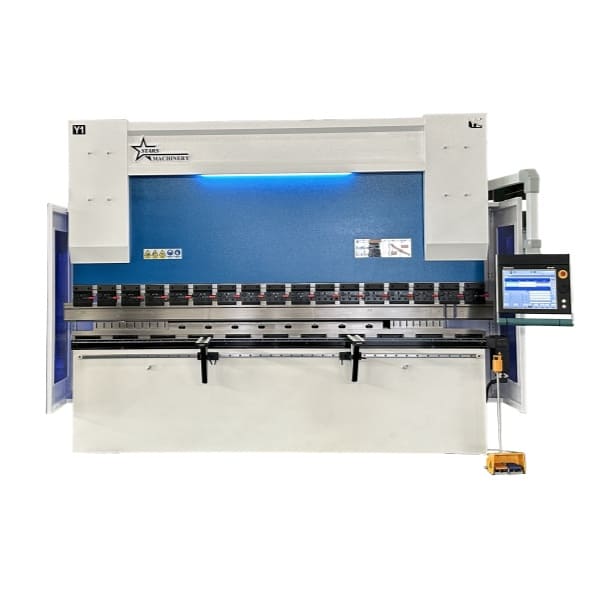
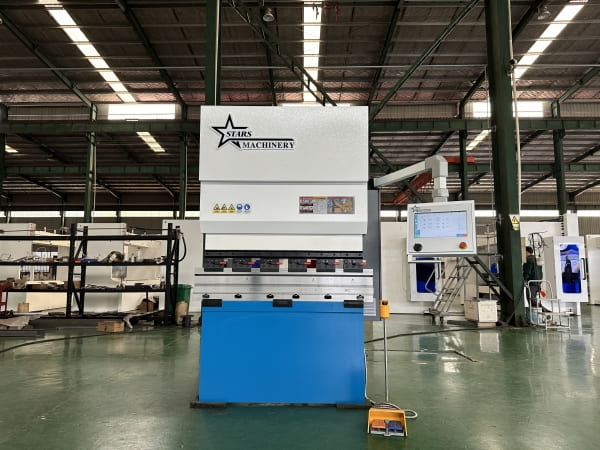
Full Electric Press Brake
In the expansive world of industrial machinery, the press brake plays a vital role in shaping and bending metal with precision and efficiency. These machines can be categorized based on their power sources into mechanical, hydraulic, and electric bending machines, with a primary focus in this article on electric bending machines.
Definition of Full Electric Press Brake
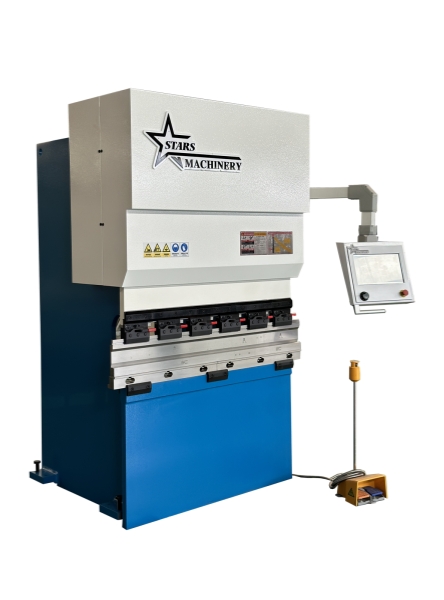
A full electric press brake is a device used for bending sheet metal, utilizing electric power instead of traditional hydraulic systems. Electric press brakes are notable for their speed, accuracy, and energy efficiency.
Differences Between Traditional Hydraulic and Full Electric Press Brakes
Press brakes come in various forms, including Mechanical, Hydraulic, and Full Electric Press Brakes, each offering distinct characteristics and benefits.
A. Mechanical Press Brake
A mechanical press brake is specifically designed for bending sheet metal and plate materials, using mechanical force to achieve precise bends. They are fundamental to many manufacturing processes, providing a cost-effective and efficient solution for metal fabrication.
B. Hydraulic Press Brake
Hydraulic press brakes utilize hydraulic systems powered by electric servo motors, merging the strength of hydraulics with the precision and energy efficiency of servo-electric systems. These machines are predominant in the market today. For larger bending machines, such as those requiring pressure levels of 200 tons, 300 tons, 500 tons, or even over 1,000 tons, hydraulic bending machines are often recommended.
C. Full Electric Press Brake
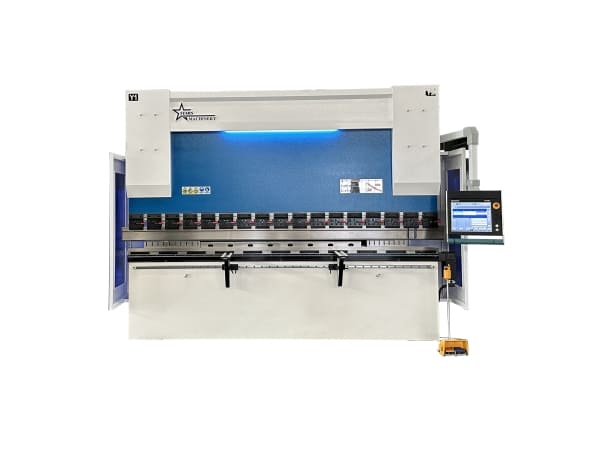
Direct drive electric press brakes feature a motor directly connected to the ram, eliminating the need for a pulley system and reducing energy loss. This design enhances energy efficiency and allows for precise control over the bending process, making them suitable for manufacturers emphasizing high accuracy and energy savings. With fewer moving components than other types, they are also easier to maintain and typically have a longer lifespan.
Components of an Electric Press Brake
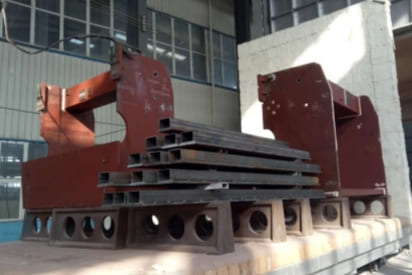
A. Frame and Bed
The sturdy frame and bed provide stability and support throughout the bending process, ensuring consistent and accurate results.
B. Ram and Punch
The electric drive powers the punch, applying force to the metal and shaping it to meet specific requirements.
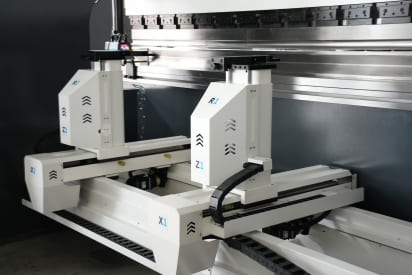
C. Back Gauge
The back gauge helps in accurately positioning the material, enhancing the precision of each bend. Advanced options are available, including 4+1 axis and 6+1 axis configurations.
D. Control System
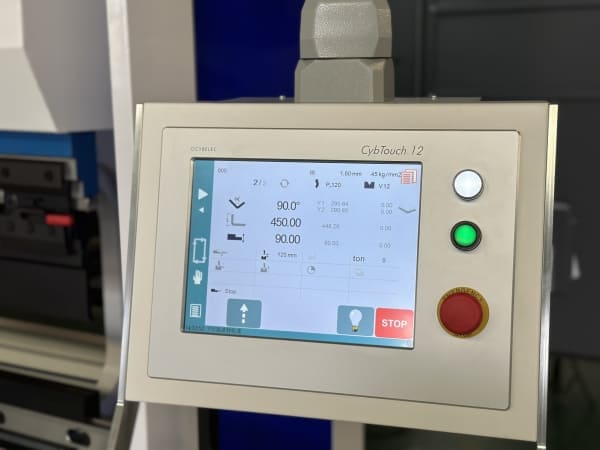
Digital control systems have transformed electric press brakes, enabling programmable and repeatable bending sequences. We offer a range of control system brands and models, including:
DELEM (Netherlands): DA53T, DA58T, DA66T, DA69T
CYBELEC: CT8, CT12, CT15
E. Punch and Die
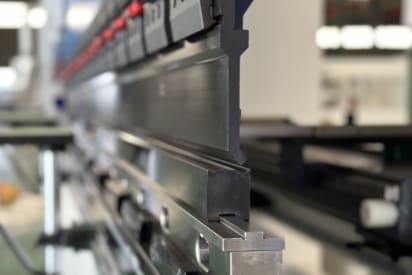
Press brake tooling, including punches and dies, is crucial to the performance of a press brake machine, directly influencing bending outcomes. High-quality press brake tooling enhances bending accuracy. We manufacture punches and dies from high-hardness 42CrMo, with all materials heated before shaping to achieve a hardness of up to HRC 58.
Conclusion
Mechanical, hydraulic, and electric bending machines each present their unique advantages. Users should select the appropriate machine based on their specific needs. For those requiring a smaller, high-speed, and high-accuracy press brake, an electric press brake is the recommended choice.